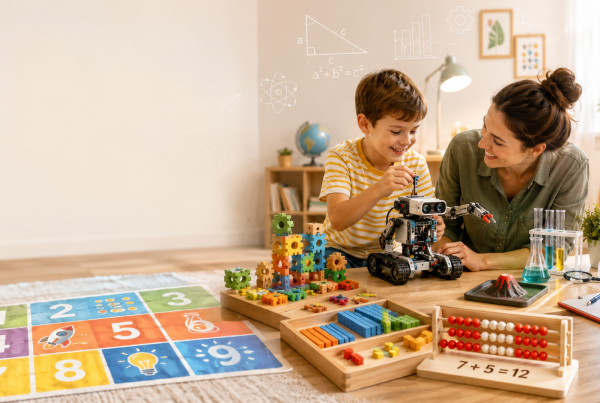
Children learn best when lessons are interesting, personal, and joyful
17.07.2025
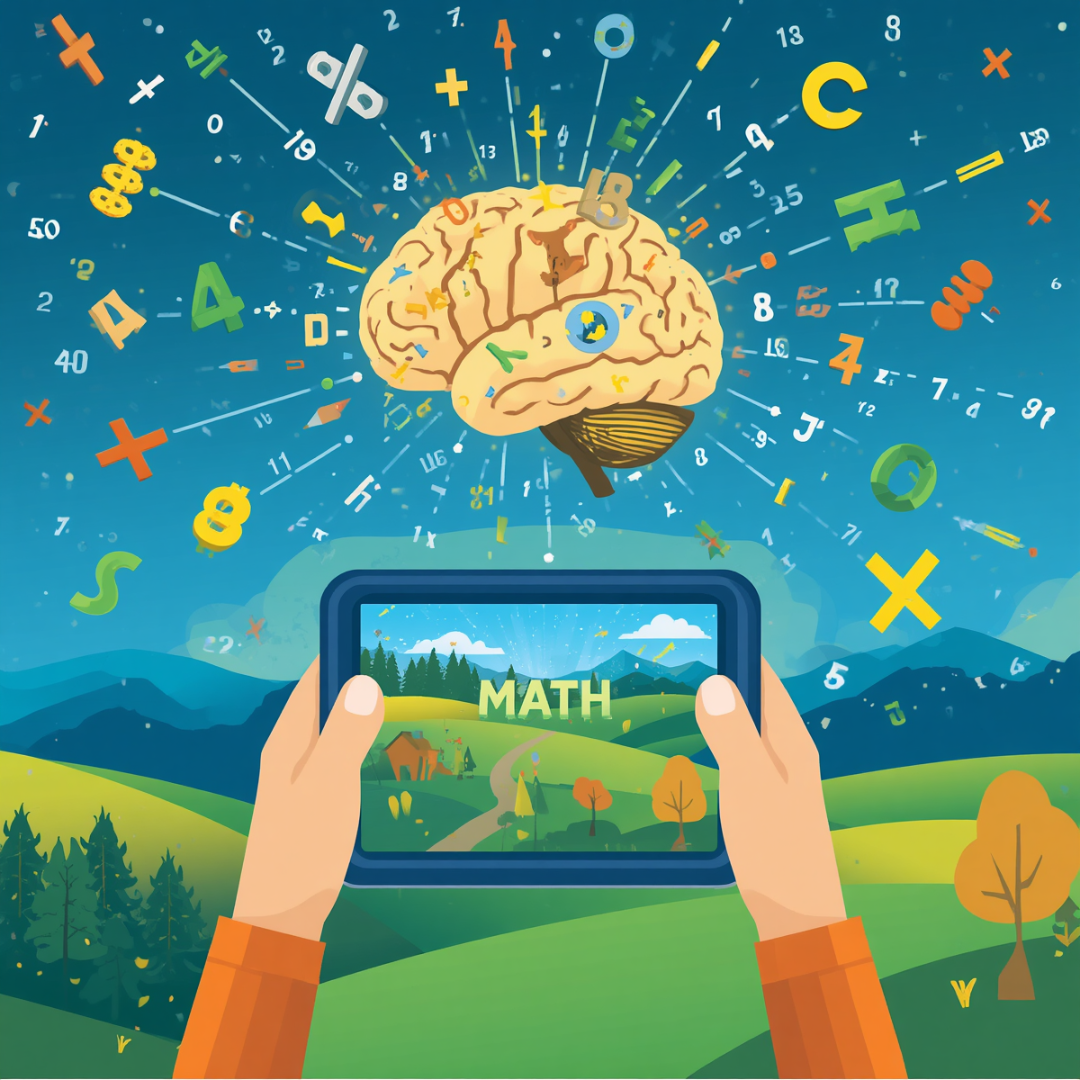
And the best way to achieve this is through a digital game that combines mathematics with fun.
Today’s children grow up in a world where digital technologies are part of everyday life — and this opens up new possibilities for education as well. Frontiers in Psychology (2023) research review provides convincing evidence that computer games help children learn mathematics.
Digital Game-Based Learning (DGBL) improves children’s cognitive skills, increases motivation and willingness to learn, enhances emotional engagement and confidence, and leads to better long-term results.
Digital games help develop thinking, memory, and problem-solving abilities, foster an understanding of logical sequences, and are particularly effective in mathematical processes such as multiplication, division, and equation solving. Children who use math games show higher learning motivation. Games provide immediate feedback, encouraging participation and repeated learning.
While playing, children experience less fear of making mistakes — they experiment more and feel more confident in their abilities. This is especially beneficial for children with lower self-esteem or learning difficulties.
The effects of games are not short-term. Some studies show that students retained improved mathematical understanding and skills even 6 weeks after the gaming period ended.